
By: Susan Miller MS BSN RN
Nail fungus, otherwise known as Onychomycosis, has been recognized as being a very difficult type of fungal infection to treat. It is a cosmetic condition that most often affects the toenails. Risk factors for nail fungus include increased age, male gender, diabetes, nail trauma, hyperhydrosis, peripheral vascular disease, athlete’s foot, immunodeficiency, poor hygiene, and chronic exposure of the nails to water. There are many species of fungus that can infect the nail. Often in nail infections several types of fungus will be present at the same time. All nail fungus infections result in thickened, discolored, and distorted nails.
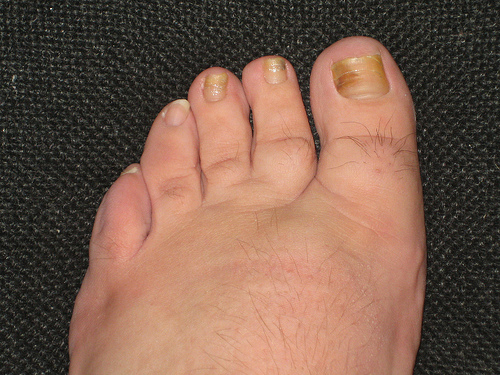
In the past, treatment options were limited and often not very effective. Now there are several treatment options available to cure nail fungus. It is important to see your health care provider to ensure that it is truly a fungal infection you are dealing with before any treatment starts. There are other disorders (such as: Psoriasis, Lichen planus, contact dermatitis, and certain bacterial infections) that can cause similar looking nail problems. Your doctor can verify if it is indeed a fungal infection by examining nail scrapings and clippings under a microscope and submitting these samples to a lab to be cultured.
Once you verify it is a fungus, treatment can begin. One treatment option is to take an oral prescription antifungal medication. Two such medications, which have been used for many years, are griseofulvin and fluconazole. The advantage of these medications is that since they have been used for many years their safety is well documented. Unfortunately, these medications are only effective against a few species of fungus so their effectiveness is limited. Additionally, the treatment regime for fluconazole is lengthy (6-9 months).
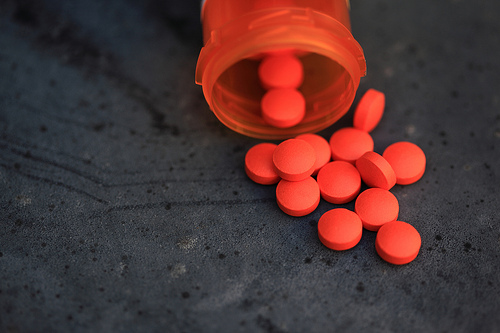
Two newer oral prescription medications are terbinafine and itaconazole. These medications are much more effective than fluconazole and griseofulvin. Terbinafine is taken daily for three months. This medication is well tolerated with no reported drug interactions with other medications or significant adverse side-effects. Itaconazole is taken daily in weekly cycles alternated with 3 week periods of no medication over a course of 3-5 months. A disadvantage of itaconazole is that it should not be taken by people who are already taking protease inhibitor medications.
If you are reluctant or unable to start an oral prescription medication there is now a topical medication available for nail fungus. A nail polish containing 8% ciclopirox solution can be prescribed. It is painted onto the nail and adjacent skin daily for 12 months. The disadvantages of this topical medication are that it is not as effective as an oral prescription medication and the dosing period is lengthy. When considering the treatment length for nail fungus it is important to remember that even though one medication course may be shorter than another, the nail will still have to completely grow out for improvement to be seen. It can take more than a year for disfigured toenails to be completely replaced.
Another option for treatment is surgery. Surgical removal of the nail is not usually the first treatment choice as it can be painful and disfiguring. However, if the fungus is resistant to medications, or if prescription medications are not appropriate for an individual surgery can be an effective cure.

There are alternative treatments as well. One such treatment is Tea Tree Oil. There are been some studies that link this to a cure for nail fungus. Mayo Clinic has one such report if you are interested in the read.
The last treatment category one might consider for nail fungus is the broad category of home remedies. In this category fall many treatment options that are not recognized by the medical community or well researched but are touted by individuals as being successful. Some such home remedies that I have heard of include soaking ones nails in vinegar, lemon juice, or a bleach solution. Another is taking a nutritional supplement such as acidophilus. I have also heard that the application of baking soda, garlic, olive oil, or Vicks vapor rub to the nail itself is helpful. I mention these remedies not because I endorse them, but to show that the list of possible home remedies is lengthy.
Today there are many options to choose from in the treatment of nail fungus. The best first step to take is to consult your healthcare provider. Together an effective plan to cure the fungal infection can be developed.
[image from Flickr]
Click Here For Highest Rated Nail Fungus Treatments
1. Funginix - www.Funginix.com
2. Zetaclear - www.Zetaclear.com
3. PurNail - www.Purnail.com
Ella says:
very good information related to toe nail fungus
Kim Ha Neul says:
would you know whether over the counter online antifungal treatments
are effective? the products i’m looking at right now is Fungusil and
zetaclear. i saw their respective sites and both products look
credible. i’m planning to purchase both zetaclear and fungusil.
am i making the right choice? thank you.
David says:
Excellent and informative site.
Great research and source for well-organized information.
Thanks so much!
Jayne says:
I have used 2 different topicals from the podiatrist for about 2 yrs and have had no success; it even spread to my other foot! Now I’ve read where laser will kill it off but no long term studies have been done since the proceedure has just been approved by the FDA. That’s my next treatment. There is also a fear of spreading this fungus to other body parts! From putting the topicals on all this time, I believe I had it in a finger now.
Lara says:
I had this for many years on my pinkie toe and didn’t realize it was a problem until it spread to my big toe. It took a couple of months for the pinkie and over a year for the big toe, but daily application of pure tea tree oil cured it.
Mona Lisa says:
Hm…it’s difficult to treat as you say doc, because your schooling is funded by pharmaceutical companies that teach nothing about nutrition.
Some doctors make some effort to learn holistic ways, but most would rather push pills and offer surgeries. Apple Cider Vinegar when applied in organic raw form cures nail fungus in less than three weeks.
Fungi Treatment Made Easy says:
To find a product that actually cures fungi infection is very hard. i found tineacide by dr. blaine and i have been using it for a month. the infection is almost gone. it takes time but i am very satisfied with tineacide.
My brother also plays soccer and he got toenail infection by borrowing his teammates socks. his coach recommended tineacide by dr. blaine. tineacide can be found at any pharmacy and it actually works.
Thank you for all the good advice that you have writen about. I look forward to reading about your future updates.
Best Wishes
Nan P says:
The laser does not work–PinPointe. Have had 3 rounds plus soaking in an herbal vinegar soak, tea tree oil topicals and many other topicals tried at some point, tried oregano, garlic, olive leaf internally, probiotics, also tried a strict diet eliminating sugar, alcohol, bread and yeast products of any kind–lost weight but not fungus! Have spent many, many hours of research and tried everything in the book to no avail; have not given up though, do believe there must be a natural cure–has to be, since it is an organic thing.
Dr. Abe Alan Bushansky says:
In my opinion, no topical over the counter fungoid gel or cream is effective in eliminating a fungal infection. The medication simply can’t penetrate the thickened nail to attack the fungi or its spores.
The only medication that has been effective has been oral medication – Lamisil. The treatment cure is still, in my opinion, less than 60%. The best treatment for this condition is preventative. Dry feet well after getting wet. Apply corn starch to socks if you excessively sweat.
travelnursespecialistrecruiter.com